
The Seasonal Wardrobe Transition: A Smarter Way to Swap Your Closet
A well-timed seasonal wardrobe transition keeps your closet functional and your clothes in better condition. Here's how to sort, clean, and store off-season pieces the right way.

Why a Seasonal Wardrobe Transition Matters
A seasonal closet swap is about more than making room for new sweaters or summer dresses. It protects your wardrobe. Fabrics stored incorrectly, or packed away while still soiled, are prone to yellowing, moth damage, and musty odours that are hard to reverse.
Think of it as preventative care. A proper wardrobe organization by season routine extends the life of your garments, keeps your daily closet easier to navigate, and means you're not caught out when the temperature turns.




When to Start Switching Your Closet
So, when should you switch your wardrobe for the season? The honest answer is before you need to, not after. Watch the forecast rather than the calendar. A good rule is to begin the transition when you've had a consistent run of milder or cooler days, rather than reacting to one unseasonal week.
Most people find late spring and early autumn the natural windows. Doing it gradually, over a weekend rather than in one rushed evening, also makes the sorting and cleaning steps far less overwhelming.
Step 1: Sort, Declutter, and Assess
Before anything goes into storage, take stock. Separate clothes into categories: keep and store, keep and use immediately, repair, donate, and discard. Be honest about what you actually wore last season versus what simply took up space.
This is also the moment to check for damage. Loose buttons, small tears, or worn linings are far easier to deal with now than when you unpack next year expecting a garment to be ready to wear.
Step 2: Clean Everything Before Storing
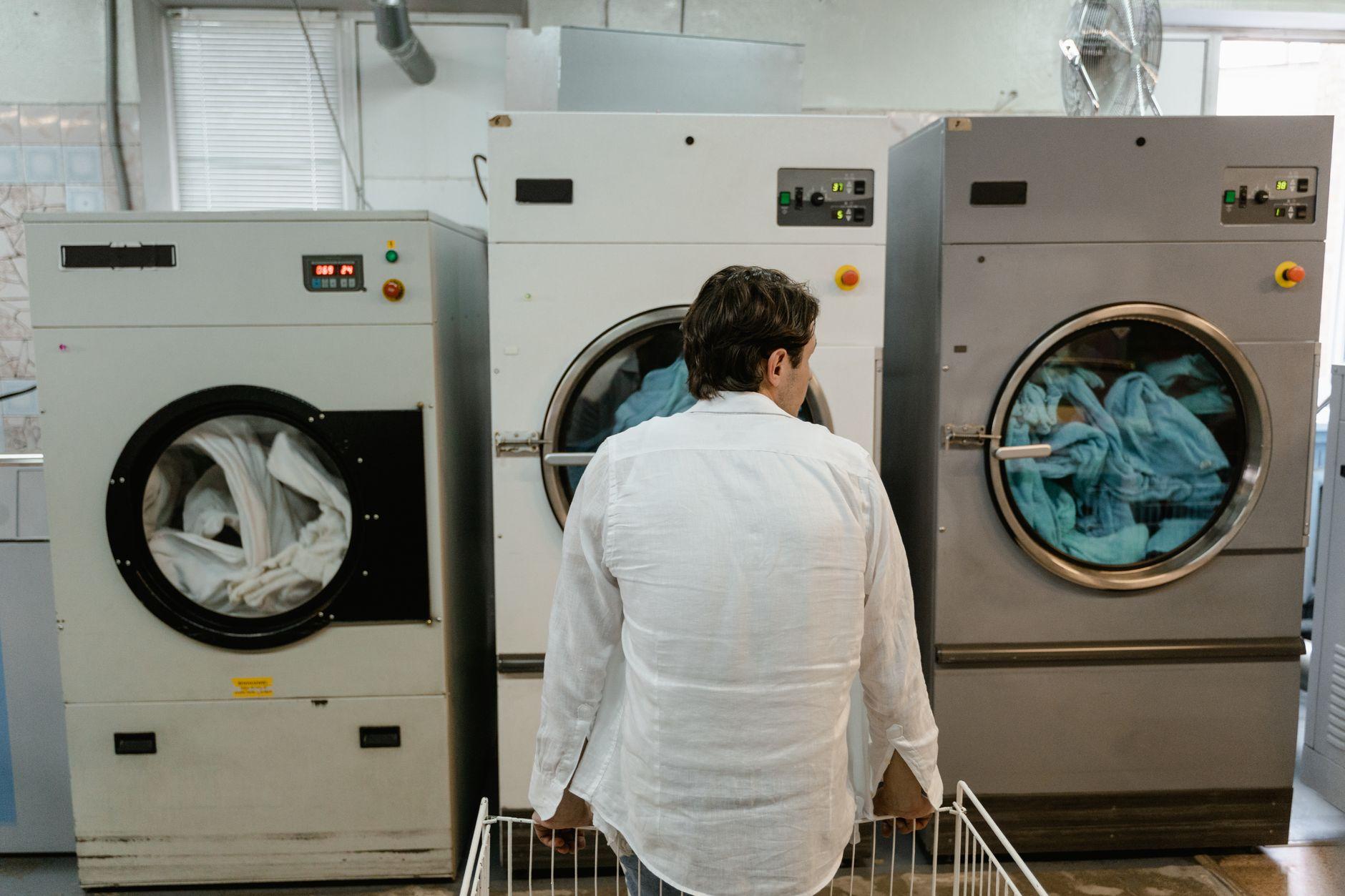
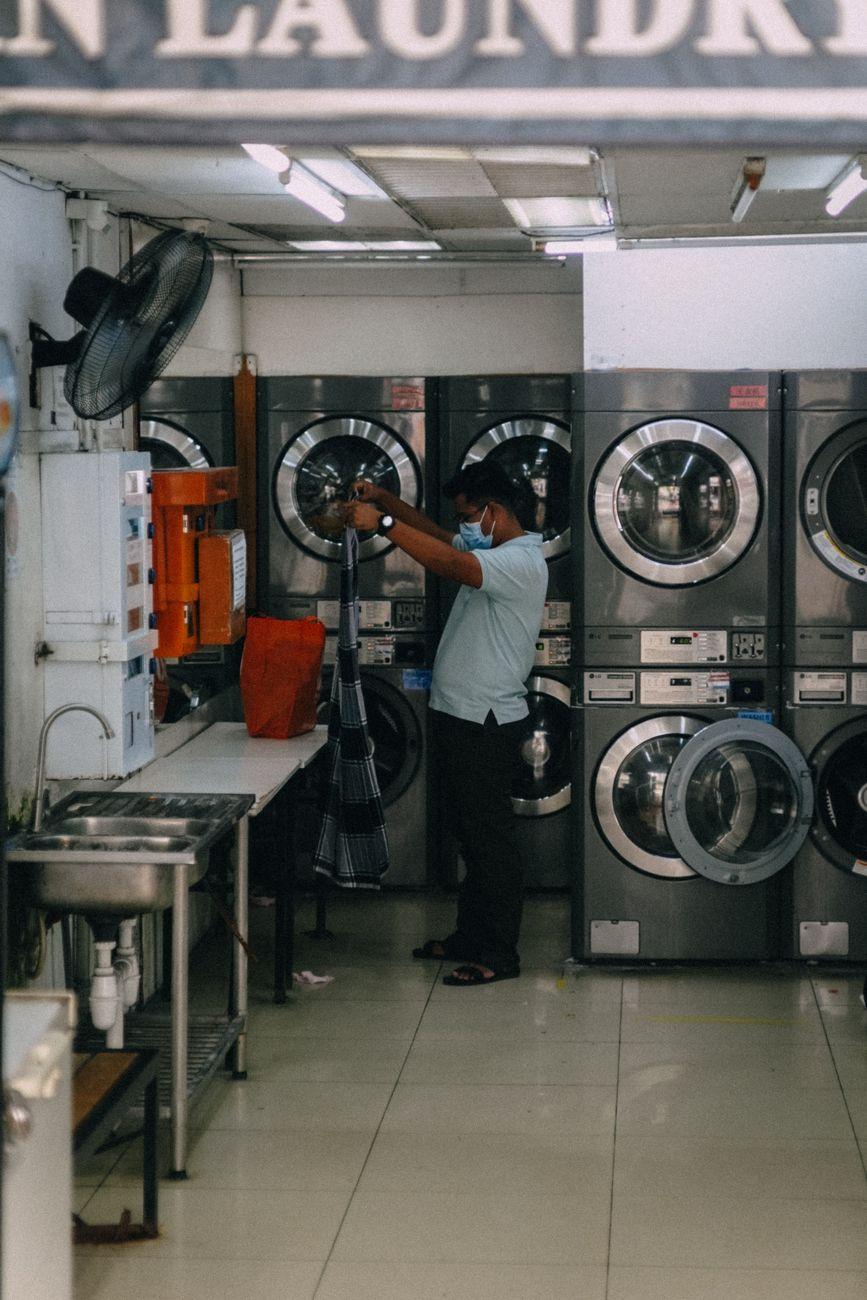
Should you dry clean clothes before storing them? Yes, without exception for delicate or structured pieces. Even garments that look clean can hold invisible traces of sweat, deodorant, or food residue, which attract pests and cause discolouration over months in storage.
This is one of the most important clothing storage tips we can offer: never pack away anything unwashed. Professional dry cleaning before storage removes hidden residues, treats stains before they set permanently, and leaves fabric fibres in their best possible condition for the months ahead.
Step 3: Choose the Right Storage Method
How do you store clothes long-term without damage? Use breathable garment bags rather than sealed plastic, which traps moisture. Store knitwear folded rather than hung to avoid stretching, and keep everything away from direct sunlight, damp basements, or attics with big temperature swings.
For coats, formal wear, or particularly precious pieces, professional garment storage is worth considering. Climate-controlled, pest-protected facilities take the guesswork out of long-term care, which matters most for the items you can't afford to have damaged.
Common Wardrobe Transition Mistakes to Avoid
The most frequent error is storing clothes without cleaning them first, assuming a light wear or two doesn't count. Others include using wire hangers that misshape garments, cramming too much into airtight containers, and forgetting to label boxes, which makes next season's unpacking a guessing game.
A rushed seasonal wardrobe transition tends to create more work later. Taking the time to sort, clean, and store properly now is what makes next season's swap quick and stress-free.
A seasonal wardrobe transition done properly means opening your storage next year to clothes that are ready to wear, not ready for the cleaners.
Ready to simplify your laundry?
Schedule your free pickup today and experience the difference.