
The Art of the Seasonal Wardrobe Swap: A Guide to Storage That Actually Protects Your Clothes
A proper seasonal wardrobe swap and storage routine keeps moths, mildew, and musty creases away. Here's how to clean clothes before storing them, choose the right garment storage bags, and rotate your closet like a professional.
Why a Seasonal Wardrobe Swap Matters
A cramped closet is more than an inconvenience. When winter coats crowd out summer linens, garments get crushed, creased, and forgotten. A proper wardrobe rotation guide isn't about tidiness alone — it's preventative care for fabric, structure, and colour.
Clothes stored improperly for months can develop musty odours, yellowing, or fibre damage long before they're worn again. Treat the seasonal swap as maintenance, not a chore, and every garment will last considerably longer.
When to Swap Your Wardrobe Each Season
When should I switch my wardrobe for the season? The simplest answer: before the weather commits. Swap in early autumn once nights consistently dip below 15 degrees, and again in late spring once daytime temperatures hold steady above 18 degrees. Watching the forecast beats watching the calendar.
A good rule for closet organization by season is to keep a slim transitional rack of pieces that work across both — light knits, trench coats, versatile layers — so you're never caught out by an unseasonably warm or cold week.
How to Clean Clothes Before Storing Them
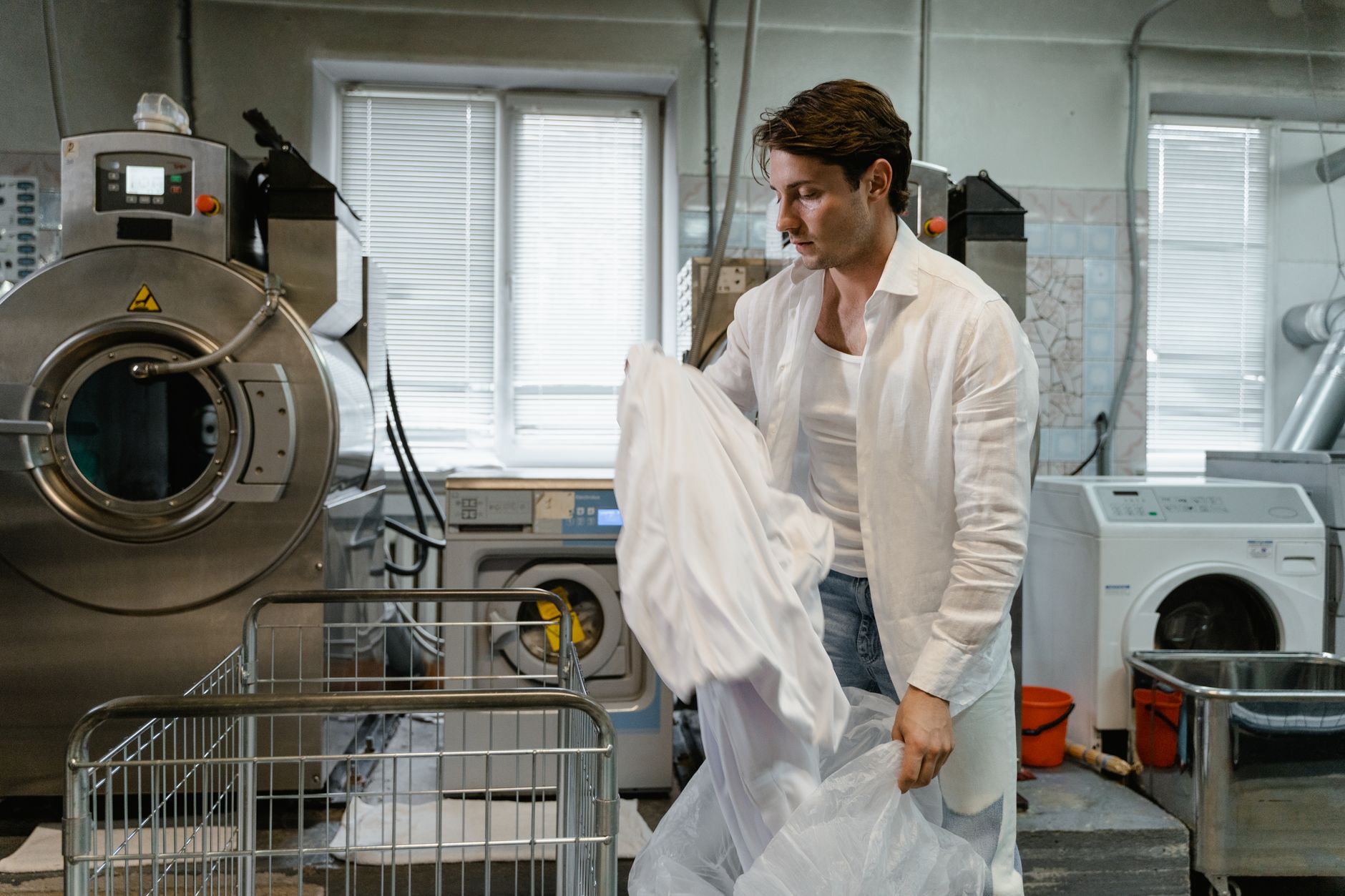
Should clothes be washed before storing them? Always. Invisible residue from skin oils, sweat, or spilled drinks attracts moths and other pests, and can oxidise into visible stains over months of storage, even if the garment looked clean going in.
Wool jumpers, coats, and silk pieces benefit from professional dry cleaning before storage, while cottons and linens should be freshly laundered and completely dry. Never store anything damp — it's the fastest route to mildew and that stale, musty smell nobody wants to meet again in six months.

Choosing the Right Storage Containers and Bags
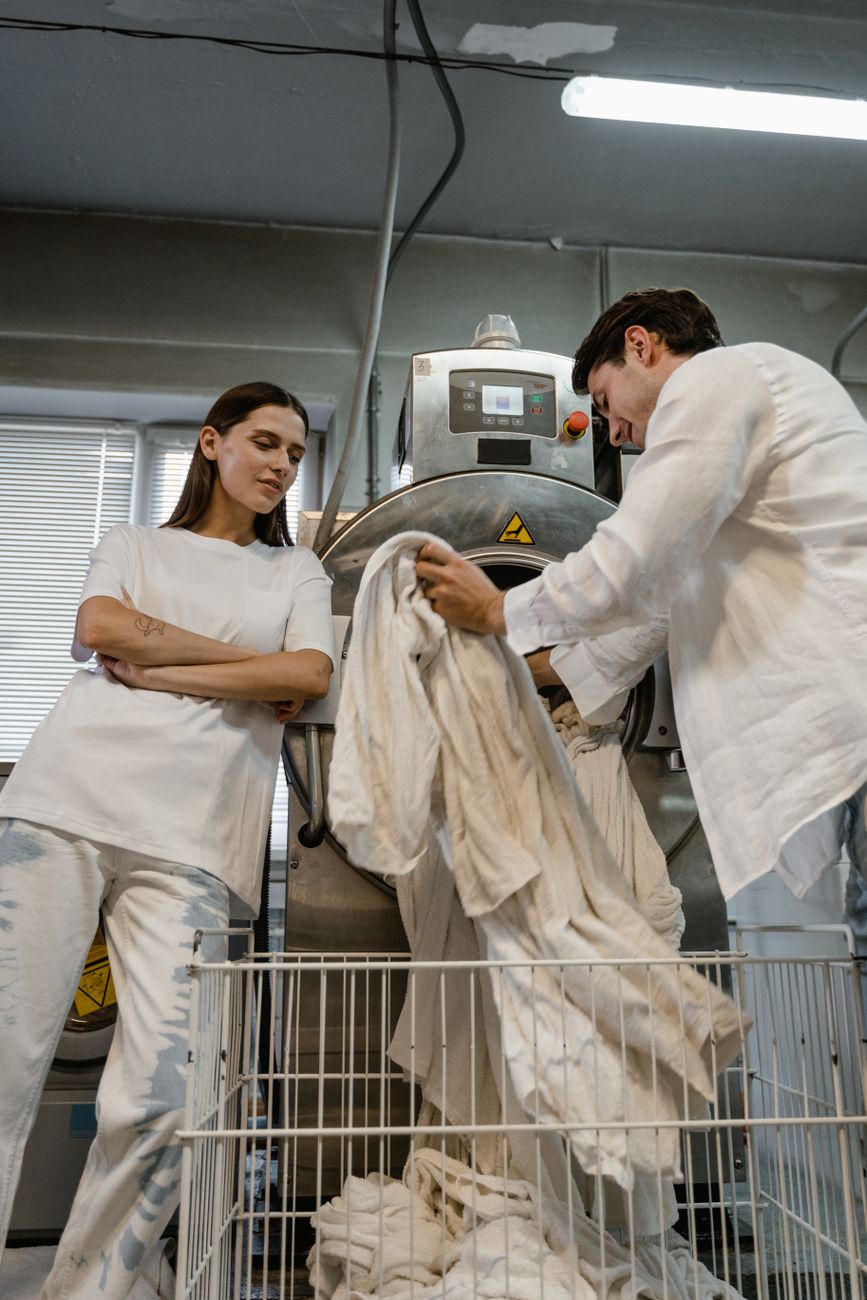
Not all storage is equal. Breathable garment storage bags made of cotton or non-woven fabric are far better than sealed plastic for most items, since fabric needs to breathe to avoid trapped moisture. Reserve airtight plastic bins for off-season items like knitwear, where tight pest protection matters more than airflow.
Cedar blocks or lavender sachets are a natural, pleasant-smelling defence against moths, and far gentler on fabric than mothballs. Whatever container you choose, keep it away from damp basements or hot attics — a cool, dark, dry space is non-negotiable for winter clothes storage and beyond.
Step-by-Step Guide to Packing and Storing Garments
What is the best way to store clothes long term? Start clean, store smart, check in occasionally. First, clean every item as described above. Second, fold heavy knits rather than hanging them, since gravity will stretch shoulders and necklines over time. Structured coats and dresses, on the other hand, do better on padded hangers inside breathable garment storage bags.
Layer heavier items at the bottom of bins and lighter ones on top, slip in a moisture absorber or cedar sachet, and label everything clearly by category and season. Finally, revisit your storage every few months — a quick check lets you catch any early signs of pests or damp before they spread.
Common Wardrobe Storage Mistakes to Avoid
The most frequent error is storing clothes dirty — stains and odours only worsen with time. A close second is using vacuum-sealed bags for structured or natural fibres; they crush fill and encourage creasing that's hard to reverse.
Also avoid cardboard boxes in damp areas, overstuffing bins to the point garments can't breathe, and forgetting a seasonal check-in. A few minutes of attention twice a year is the difference between opening your storage to fresh, ready-to-wear clothes or a disappointing pile of musty regrets.
Clothing storage isn't about hiding clothes away — it's about handing your future self a wardrobe that's ready, not ruined.
Ready to simplify your laundry?
Schedule your free pickup today and experience the difference.