
The Seasonal Wardrobe Transition Guide: How to Store Clothes the Right Way
Swapping winter and summer clothes shouldn't mean crossing your fingers and hoping nothing gets ruined by spring. Here's how to clean, sort, and store your wardrobe so every piece comes back in perfect condition.
Why Cleaning Clothes Before Storage Matters
Why should you clean clothes before storing them seasonally? Because invisible residue is what actually causes the damage you blame on time. Body oils, sweat, and food or drink splashes don't fade quietly in a dark closet or bin. They oxidize, yellowing fabric and setting stains that were once removable. Worse, they attract the very pests that leave your favorite sweater full of holes by autumn.
Moths and other fabric pests are drawn to the smell of these residues, not the fabric itself. A truly clean garment is far less appealing to them. Cleaning clothes before storage isn't a nice-to-have step in your seasonal wardrobe transition, it's the single biggest factor in whether your clothes survive the off-season intact.

Step 1: Sort and Declutter Your Wardrobe
Before anything gets packed away, take everything out. Closet organization by season only works if you're honest about what's worth storing. Separate items into four piles: keep and store, keep and wear now, donate, and repair or alter.
This is also the moment to notice patterns. If something didn't get worn all season, ask why. Ill-fitting, out of style, or simply forgotten, it may not deserve prime real estate in your storage boxes next year. A leaner wardrobe transition now means less to clean, store, and dig through later.
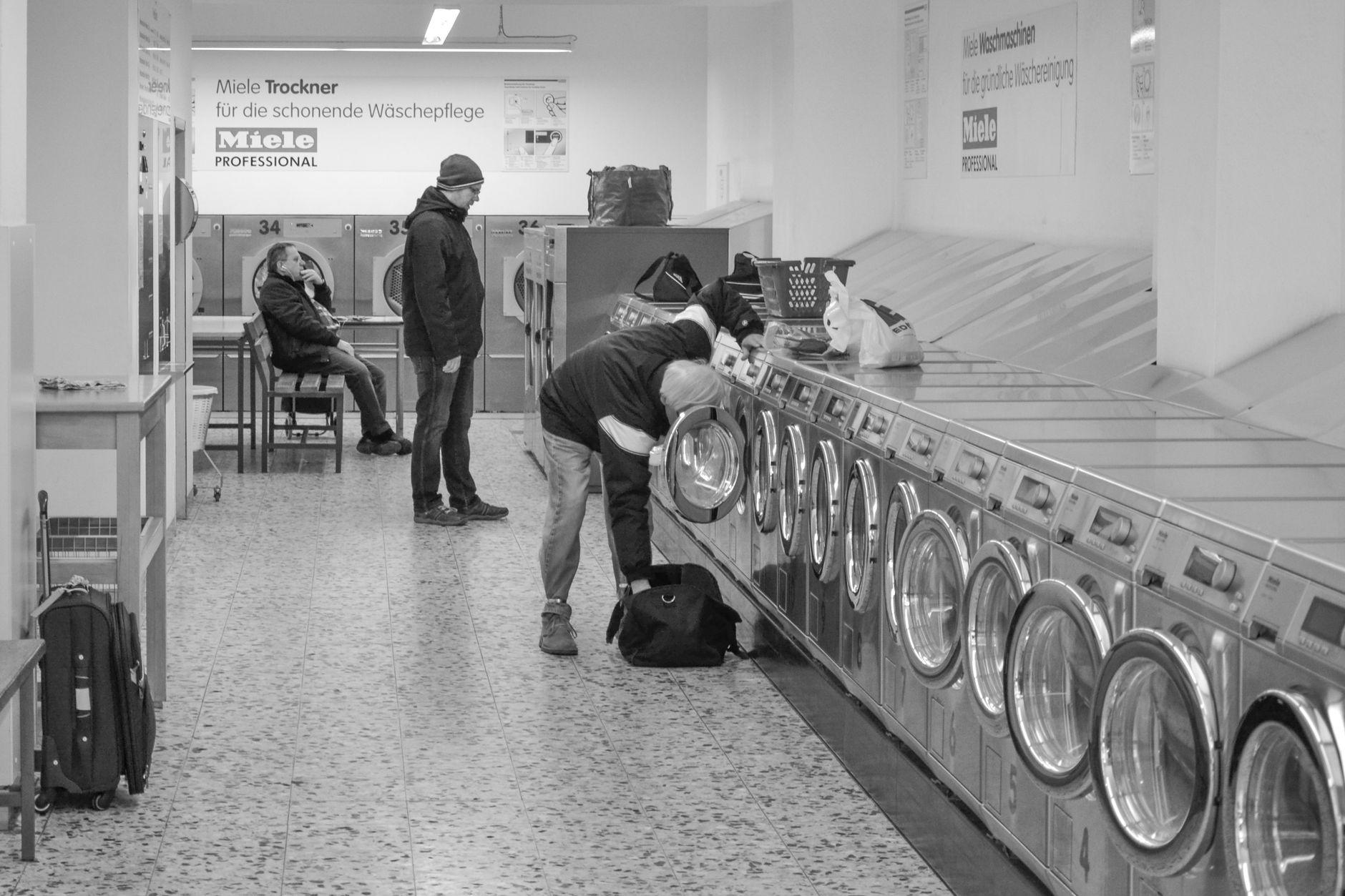
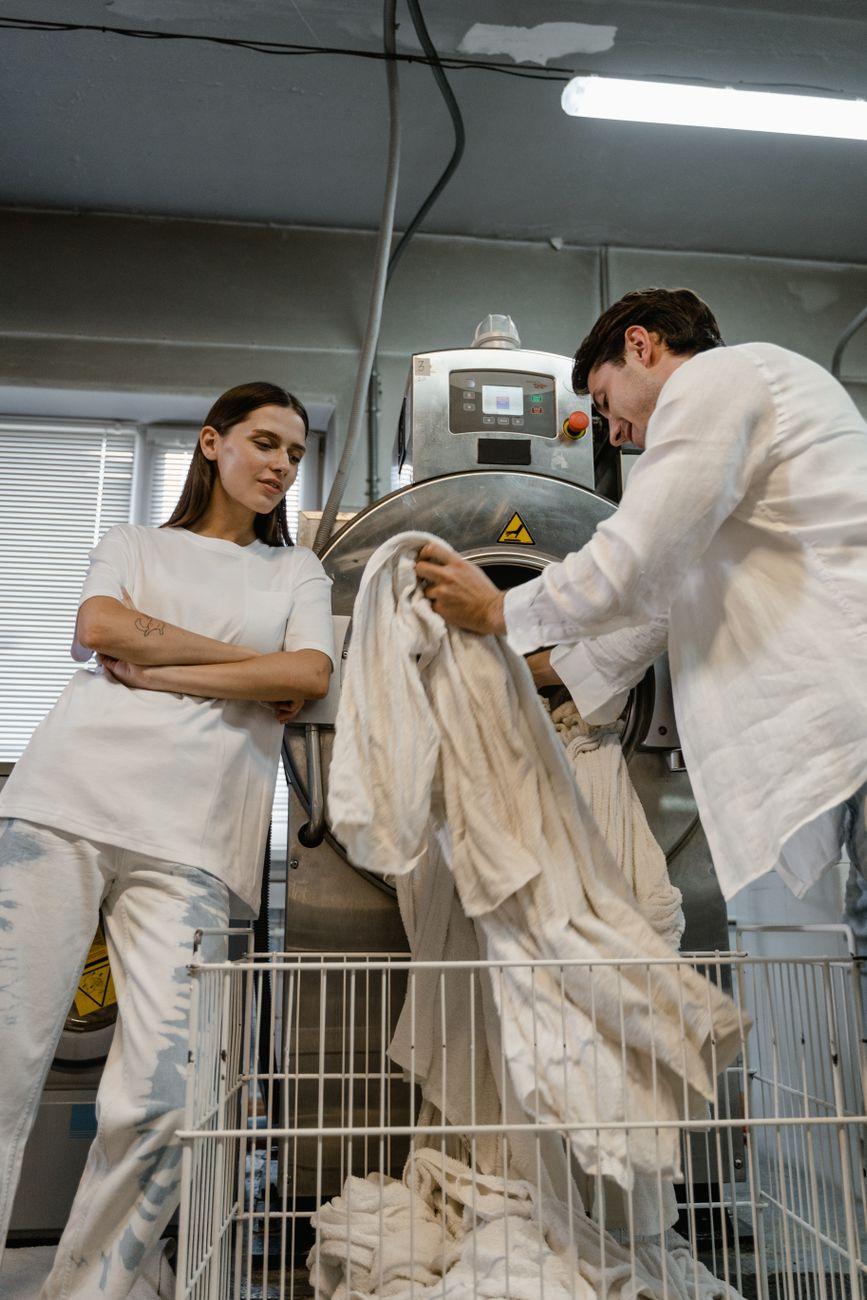
Step 2: Clean Every Item Properly Before Storing
Every single item you plan to store should be freshly cleaned, no exceptions, even if it looks fine. This is where dry cleaning before storage earns its keep, particularly for coats, wool suits, silk blouses, and anything structured or delicate. Professional cleaning removes deep-set oils and odors that home washing can miss, and it's gentler on fabrics that wrinkles, shrinkage, or color loss could ruin.
For washable items, launder according to the care label and make sure everything is completely dry before it's folded away. Any lingering dampness invites mildew and musty odors that are difficult to reverse. Skip starch on stored garments too, as it can attract pests and yellow over time.
Step 3: Choose the Right Storage Containers and Materials
What is the best way to store off-season clothing? Breathable, protective, and appropriate to the garment. Cotton garment bags and acid-free tissue paper protect natural fibers without trapping moisture the way plastic can. Sturdy boxes or bins are ideal for folded knits and sweaters, while garment bags on hangers work best for structured items like blazers and dresses.
Avoid vacuum-sealed bags for delicate fabrics, as they can crush and permanently flatten fibers like wool or cashmere. Vacuum bags are fine for bulky, sturdy items like winter duvets or ski jackets, but treat your finer pieces with more breathing room.
Common Storage Mistakes That Damage Clothes
The most frequent mistake is storing clothes that aren't fully clean, but a few others cause just as much damage. Overpacking bins compresses fibers and creates permanent creases. Storing clothes in a damp basement or hot attic exposes them to humidity swings that encourage mold and fabric breakdown.
Wire hangers are another quiet culprit, leaving rust marks and stretched shoulders over months of storage. And relying on mothballs alone, without cleaning garments first, does very little if the underlying residue is what's attracting pests in the first place.
How to Protect Delicate and Specialty Fabrics
How do you keep moths out of stored clothes? Start with cleanliness, since moths are drawn to soiled fabric rather than clean fibers. From there, use cedar blocks or lavender sachets as a natural deterrent, and check stored items periodically throughout the season rather than waiting until you unpack everything.
Silk, cashmere, and wool deserve extra care: fold rather than hang to avoid stretching, use acid-free tissue between layers, and store in breathable bags away from direct light. For furs, leather, and heavily structured pieces, professional storage services are worth considering, since climate-controlled conditions offer protection that a home closet simply can't match.
A clean garment isn't just fresher, it's the difference between a sweater that survives the season and one that doesn't.
Ready to simplify your laundry?
Schedule your free pickup today and experience the difference.