
Back-to-School Uniform Care: Keeping Uniforms Fresh from First Bell to Final Term
Grass stains, ink marks, and daily wear can wreck a uniform before autumn ends. Here's how to wash, treat, and press school uniforms so they last the whole year looking sharp.
Why Proper Uniform Care Matters for the School Year
A school uniform works harder than almost anything else in the wardrobe. It's worn five days a week, dragged through playgrounds, spilled on at lunch, and stuffed into bags at the end of the day. Without the right care routine, fabric wears thin, colours fade, and what started as a smart, uniform look by October starts to look tired by half-term.
Good uniform care isn't just about appearances. It protects the investment parents make each September, extends the life of blazers and trousers that aren't cheap to replace, and helps kids feel confident walking into class. A few smart habits at the start of the year save a lot of frustration later.

Common School Uniform Stains and How to Remove Them
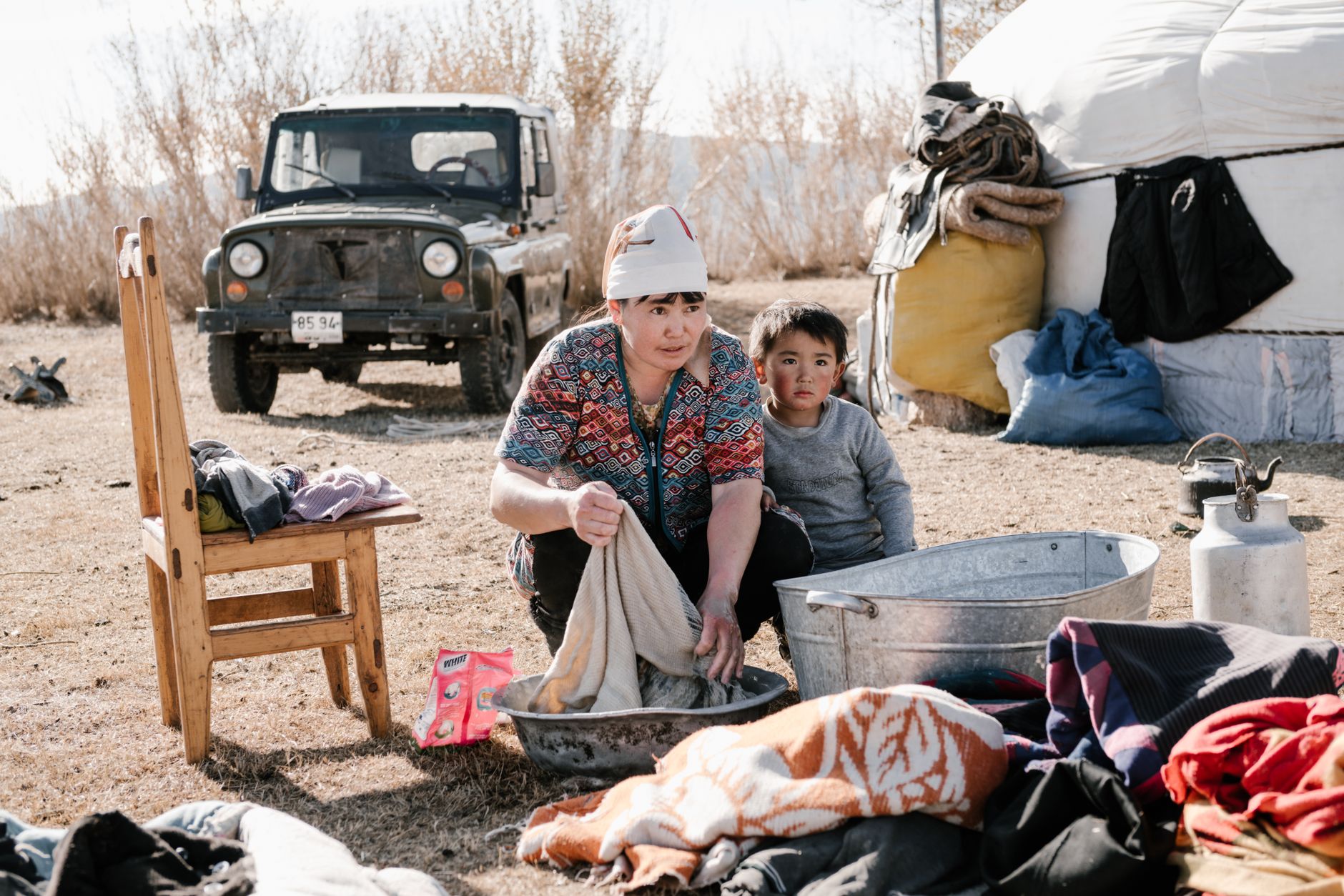
So, how do you get stains out of school uniforms? The answer depends on the stain, but speed always helps. Grass stains respond well to a bit of white vinegar or a dedicated enzyme-based stain remover applied before washing, never hot water first, as heat can set the stain permanently. Ink marks lift best with rubbing alcohol dabbed gently from the back of the fabric, pushing the stain out rather than through.
Food and sauce stains should be rinsed in cold water immediately, then treated with a pre-wash stain stick before going anywhere near the machine. Mud is deceptively simple: let it dry completely, brush off the excess, then treat the remaining mark like any other stain. The golden rule of school uniform stain removal is to never let a stained item sit in the laundry basket for a week, as the longer it waits, the harder it fights back.
Washing Tips for Different Uniform Fabrics
Washing school uniforms at home starts with reading the label, but a few general rules apply across most schoolwear. Cotton polos and shirts do well on a warm, not hot, cycle, which protects colour while still lifting everyday grime. Polyester-blend trousers and skirts should be washed inside out to reduce pilling and protect any embroidered logos or badges.
Blazers and jumpers, often wool-blend, need a gentler approach: cooler water, a mild detergent, and ideally a delicate or hand-wash cycle to avoid stretching or matting the fibres. As for how often should school uniforms be washed, shirts, polos, and socks should be washed after every wear, while blazers, jumpers, and pinafores can usually go a week or two between washes unless visibly marked, since over-washing outer layers speeds up wear.
A school uniform works harder than almost anything else in the wardrobe. Treat it like it matters, and it will last the whole year looking the part.
How to Prevent Fading, Shrinking, and Wear
Knowing how to keep school uniforms looking new comes down to a few consistent habits. Turn coloured items inside out before washing to protect the outer surface from friction and fading. Use a lower temperature than you think you need, since most uniform damage comes from washing too hot, not too often.
Skip the tumble dryer where possible, especially for wool-blend blazers and anything with elastane, since heat is the number one cause of shrinking. Air-drying flat or on a hanger keeps shape intact and reduces the ironing needed later. Wash similar colours together and avoid overloading the machine, as cramped washing causes more friction and faster fabric breakdown.
Ironing and Pressing Uniforms Like a Pro
A well-pressed uniform looks new even in its second term. Iron shirts and blouses while still slightly damp for crisper results, working collars and cuffs first before moving to the body of the garment. For trousers and skirts with pleats, a spritz of water and a lower heat setting with a pressing cloth protects the fabric while sharpening the line.
Blazers should be steamed rather than ironed directly wherever possible, since direct heat can flatten the weave and leave a shine on the fabric. If you're short on time most mornings, hang uniforms up the night before rather than leaving them folded in a bag, since half the battle of pressing is preventing creases in the first place.
When to Choose Professional Dry Cleaning vs. Home Washing
Can school uniforms be dry cleaned? Yes, and for certain items it's the better choice. Wool-blend blazers, pleated skirts, and anything structured with lining benefit from dry cleaning, which cleans thoroughly without the shrinking or shape loss that can come from home washing. A professional school uniform laundry service also handles stubborn, set-in stains with equipment and treatments not available at home.
For everyday items like shirts, polos, and socks, home washing is usually fine and more practical. But for blazers at the start of term, or a full refresh before the year begins, a dry-cleaning service can restore shape, lift ground-in dirt, and press everything to a finish that lasts the whole week. Many families find a simple split works best: home washing for daily wear, professional care for the pieces that need to go the distance.
Ready to simplify your laundry?
Schedule your free pickup today and experience the difference.