
Back-to-School Uniform Care: A Season-Long Guide to Stains, Whites, and Wrinkle-Free Mornings
From grass stains to yellowing collars, here's how to keep school uniforms looking sharp all year — with practical washing, stain removal, and pressing tips, plus guidance on when to call in the professionals.
Why Proper Uniform Care Matters for the School Year
A school uniform works hard. It survives playgrounds, lunch spills, art class, and gym — often five days a week, ten months a year. Without the right care routine, fabrics wear thin, colors fade, and whites turn dingy long before the year is out.
Good uniform care isn't just about looking tidy for photo day. It protects your investment, extends the life of each piece, and saves you from mid-semester replacement shopping. A little consistency each week goes a long way toward uniforms that still look presentable in June.

Common School Uniform Stains and How to Treat Them
How do you get stains out of school uniforms? The key is speed and knowing the stain. Grass stains — one of the most stubborn culprits — respond best to a pre-treatment with liquid detergent or a stain stick worked directly into the fibers, left to sit for 10-15 minutes before washing in the warmest water the fabric allows. For tough cases, a small amount of white vinegar or rubbing alcohol applied before washing can help break down the chlorophyll.
Ink stains lift well with rubbing alcohol dabbed from the back of the fabric. Food and grease marks need a dish soap pre-treatment to cut through oils before they set. Mud and dirt should be left to dry completely, then brushed off before washing — scrubbing wet mud only pushes it deeper into the weave.
Whatever the stain, avoid the tumble dryer until you're certain it's gone. Heat sets stains permanently, turning a treatable mark into a lost cause.
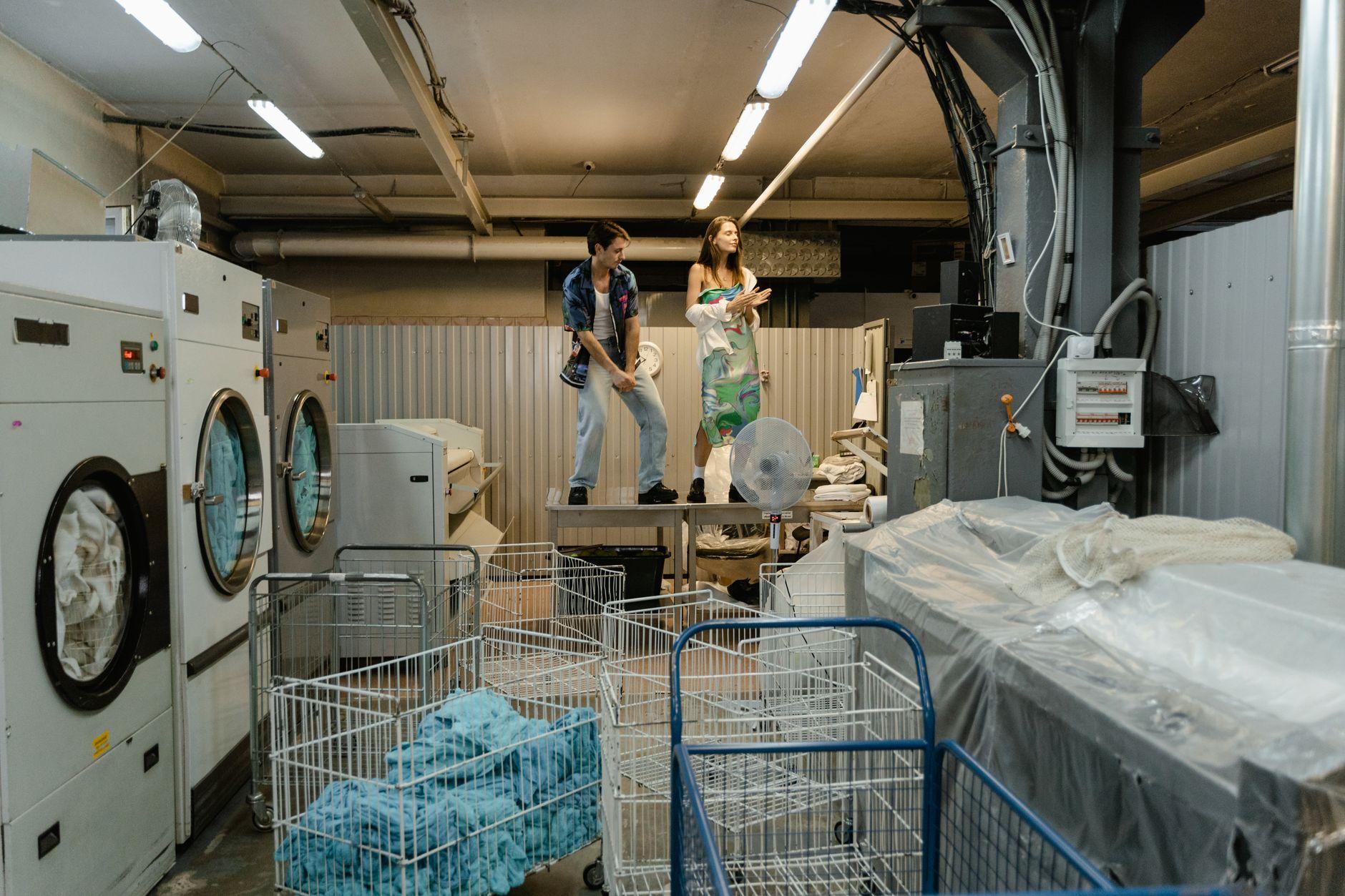
Step-by-Step Washing Guide for Different Fabrics
School uniform laundry tips start with reading the label — polyester-cotton blends, pure cotton, and wool blazers all behave differently. For everyday polos, blouses, and trousers in cotton-poly blends, wash in cool to warm water on a normal cycle, turning items inside out to protect colors and buttons.
Pure cotton items can handle warmer water for better stain and odor removal, but expect more shrinkage and fading over time, so a gentle cycle is safer. Wool or wool-blend blazers and skirts should generally avoid the washing machine altogether — spot clean where possible and save full cleaning for a professional.
How often should school uniforms be washed? As a rule, shirts, blouses, and polos worn directly against the skin should be washed after every wear. Trousers, skirts, and jumpers can typically go two to three wears between washes unless visibly soiled, which helps reduce fabric wear and fading from over-washing.

How to Keep White Polos and Blouses Bright All Year
Keeping school uniform whites bright is one of the most common parent frustrations — and one of the most preventable. What is the best way to keep white uniform shirts from yellowing? Start by washing whites separately in the warmest water the label allows, and add an oxygen-based bleach alternative rather than chlorine bleach, which can yellow fabrics over time with repeated use.
Sunlight is a natural, gentle whitener — line-drying white items outdoors on a bright day helps maintain brightness without the damage that harsh chemicals or high dryer heat can cause. Avoid fabric softener on whites too; it can leave a filmy residue that dulls fibers and traps odors.
If yellowing has already set in, a soak in warm water with a scoop of oxygen bleach and a splash of white vinegar before the regular wash cycle can often restore brightness.
A little consistency each week is the difference between a uniform that survives September and one that still looks sharp in June.
Ready to simplify your laundry?
Schedule your free pickup today and experience the difference.