
The Fall Wardrobe Transition, Done Right
A proper seasonal wardrobe change protects your clothes and saves you time. Here's how to store summer pieces, prep fall essentials, and avoid the mistakes that cost you your favorite garments.
Why a Proper Fall Wardrobe Transition Matters
Swapping your closet from summer to fall isn't just about tidiness. Clothes stored improperly can develop mildew, yellowing, or moth damage over just a few months of neglect. A thoughtful seasonal wardrobe change protects your investment and means you're not scrambling for a clean sweater on the first cold morning.
The best time to switch your wardrobe for fall is when overnight temperatures consistently drop below 60 degrees, typically early-to-mid autumn depending on your climate. Waiting for a true cold snap often means rushing the process. Starting early gives you time to clean, mend, and store thoughtfully rather than shoving everything into bins the night before the first frost.
Step 1: Sort and Declutter Your Summer Clothes
Before anything goes into storage, sort your summer wardrobe into three piles: keep, donate, and repair. Be honest about what you actually wore this year. If a linen shirt sat untouched since June, it may be time to let it go.
This is also the moment to check for damage, things like loose buttons, small tears, stretched-out waistbands. Set these aside for repair rather than storing them broken; you won't remember the issue next spring.

Step 2: Clean Everything Before You Store It
Yes, clothes should always be cleaned before storing them for the season. Even garments that look fine can hold traces of sweat, body oils, or deodorant, all of which attract insects and cause fabric to yellow or weaken over months in storage. A stain invisible today can set permanently by spring.
This is where professional laundering and dry cleaning earn their keep. Delicate fabrics, structured blazers, and anything with embellishment benefit from expert handling before they're folded away. Clean, fully dry garments are also far less appealing to moths and other pests than anything with residual scent or moisture.
Step 3: Choose the Right Storage Method
How you store clothes for winter determines how they'll look next year. Breathable cotton garment bags are better than plastic, which traps moisture and encourages mildew. For folded items, acid-free tissue paper prevents creasing and yellowing over time.
To keep moths away, store clothes only after they've been thoroughly cleaned, then add natural deterrents like cedar blocks or lavender sachets rather than mothballs, which can leave a lingering chemical smell. Check stored bins periodically through the season, since moths and silverfish thrive undisturbed, so a quick inspection every few weeks catches problems early.
Keep summer storage somewhere cool, dark, and dry. Attics and basements can work, but only if humidity is controlled; excess moisture is often a bigger threat to fabric than any insect.
Step 4: Prep Your Fall and Winter Essentials
As summer clothes go into storage, bring your fall pieces out and inspect them with the same care. Coats, sweaters, and wool trousers that sat unused for months often need a refresh before wearing, a professional press removes stored-fold creases, while cleaning removes any dust or must picked up in storage.
This is also the ideal time to handle repairs on fall staples: relining a coat, replacing buttons, or patching a favorite sweater. Sending these pieces out now means they're ready the moment temperatures actually drop, rather than sitting in a queue during the fall clothing care rush.
Common Wardrobe Transition Mistakes to Avoid
The most frequent mistake is storing clothes dirty, assuming a quick wash next spring will undo months of set-in stains and pest damage. It often won't. Another is using vacuum-sealed bags for natural fibers like wool and cashmere; compression can damage fibers and encourage permanent creasing.
Avoid cardboard boxes, which absorb moisture and offer little pest protection. And don't wait until the last minute, a rushed switching of the closet for fall means missed damage, poor folding, and a chaotic scramble for cold-weather basics.
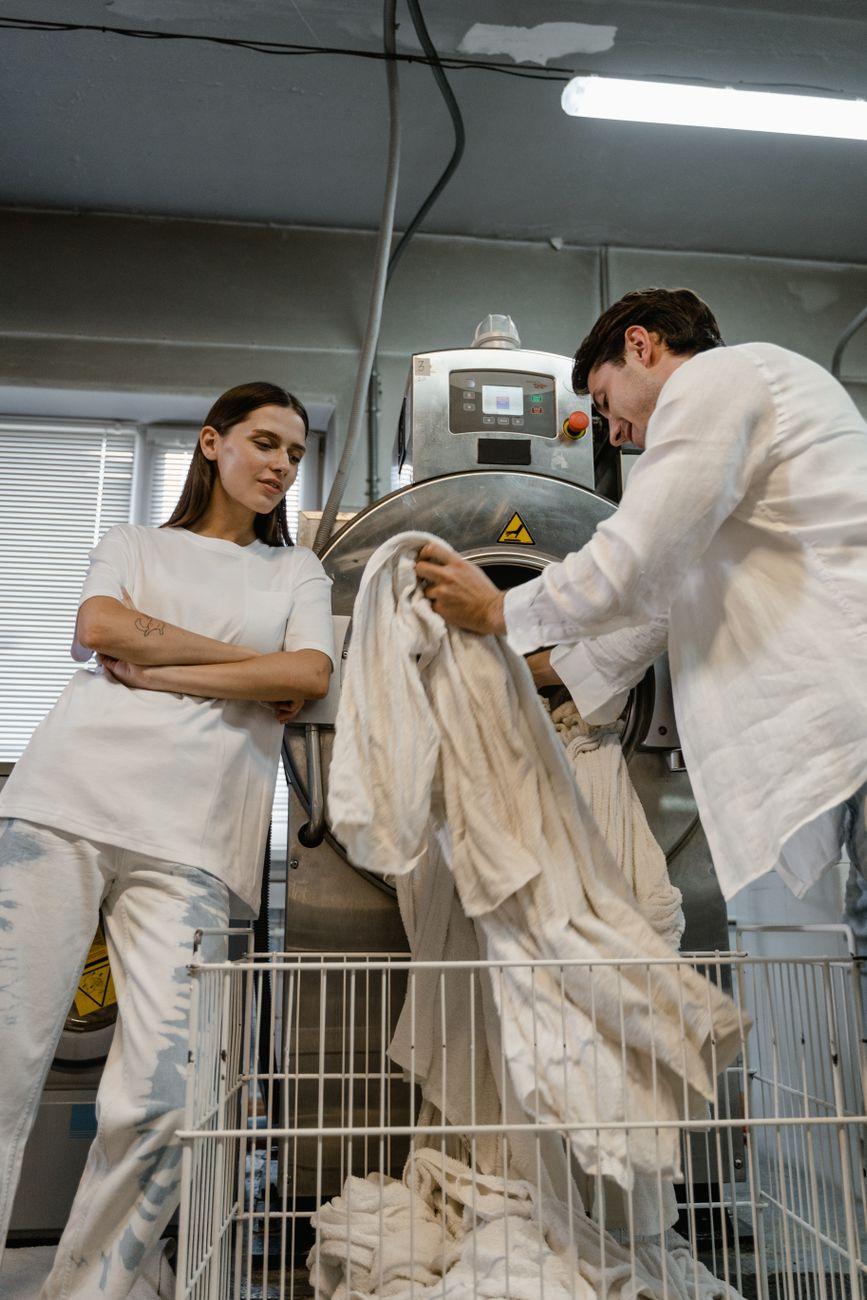
Clean, dry, and properly stored, that's the difference between clothes that last for years and clothes you replace every season.
Ready to simplify your laundry?
Schedule your free pickup today and experience the difference.