
Fall Wardrobe Transition Care: How to Store Summer Clothes and Prep Fall Favorites the Right Way
Swapping seasonal wardrobes is more than a closet shuffle. Here's how proper cleaning, storage, and moth prevention protect your clothes until you need them again.
Why Proper Care Matters When Switching Seasonal Wardrobes
The changeover between summer and fall wardrobes is one of the most damaging moments in a garment's life if handled carelessly. Clothes packed away dirty, damp, or wrinkled don't just sit in stasis, they actively deteriorate.
Body oils, sweat, and invisible food or drink residue attract pests and set into fibers over months of storage. Come next spring or summer, you may pull out garments that are yellowed, moth-eaten, or musty instead of ready to wear. A little care now saves you from replacing favorite pieces later.
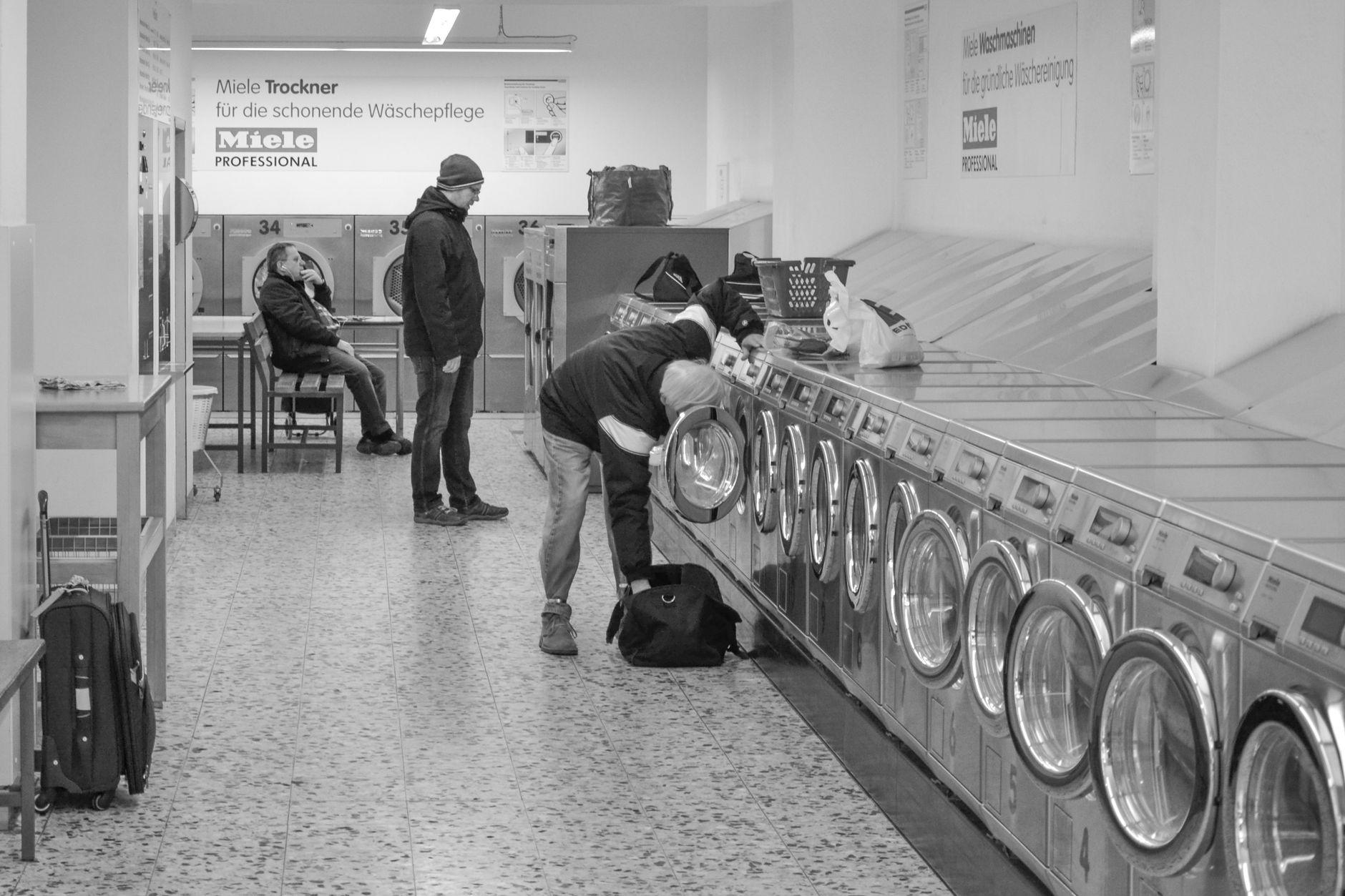
Clean Before You Store: The Golden Rule
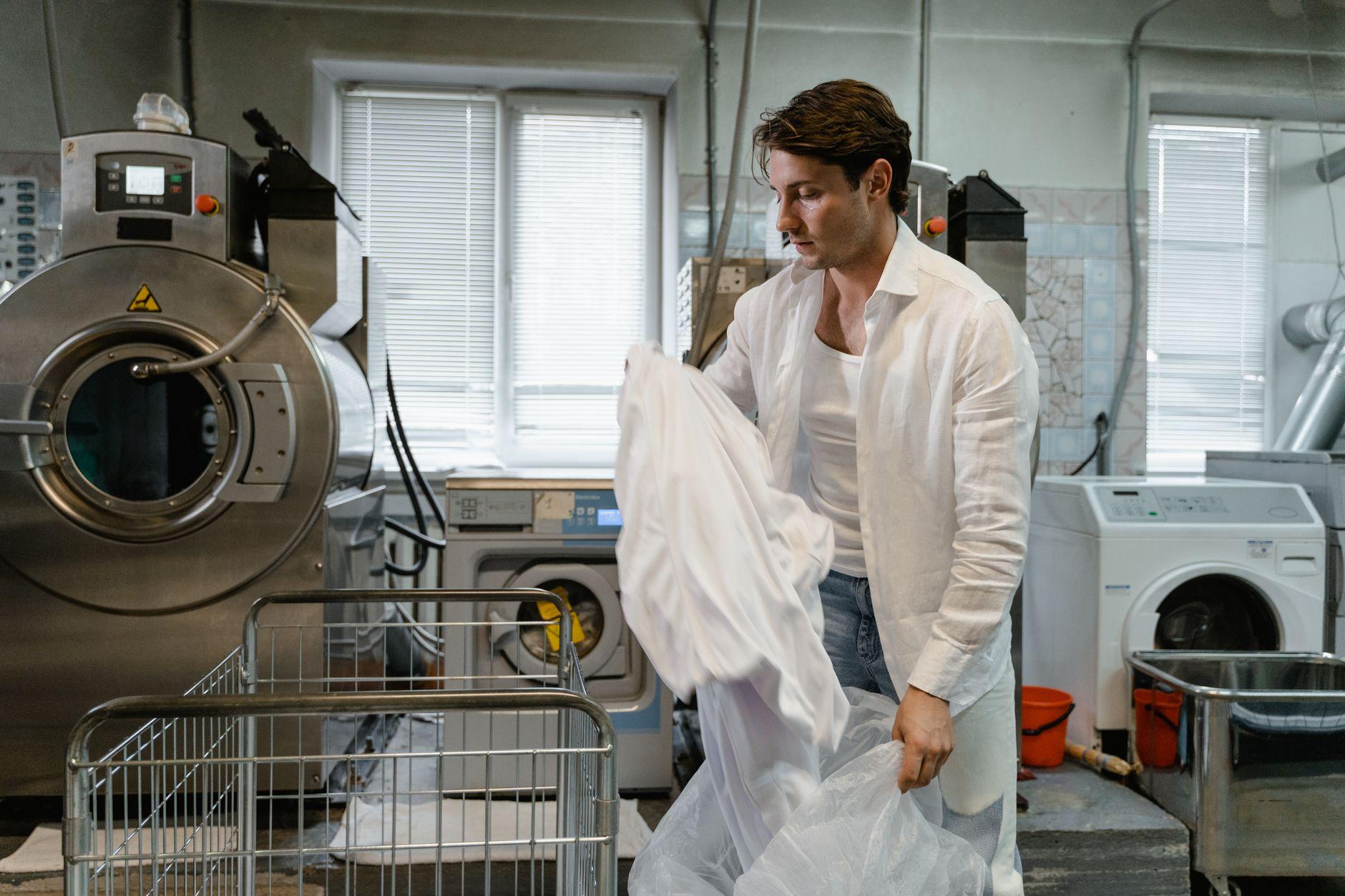
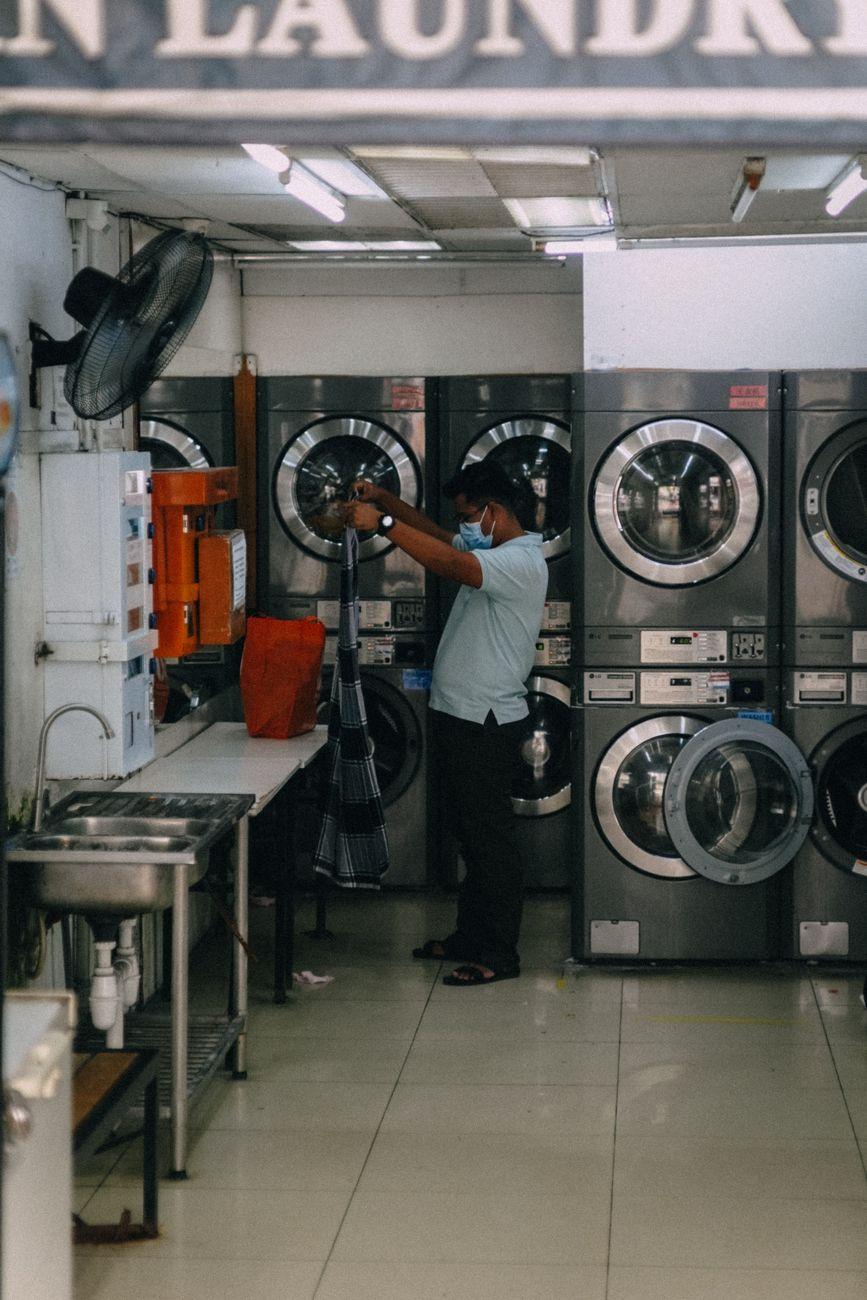
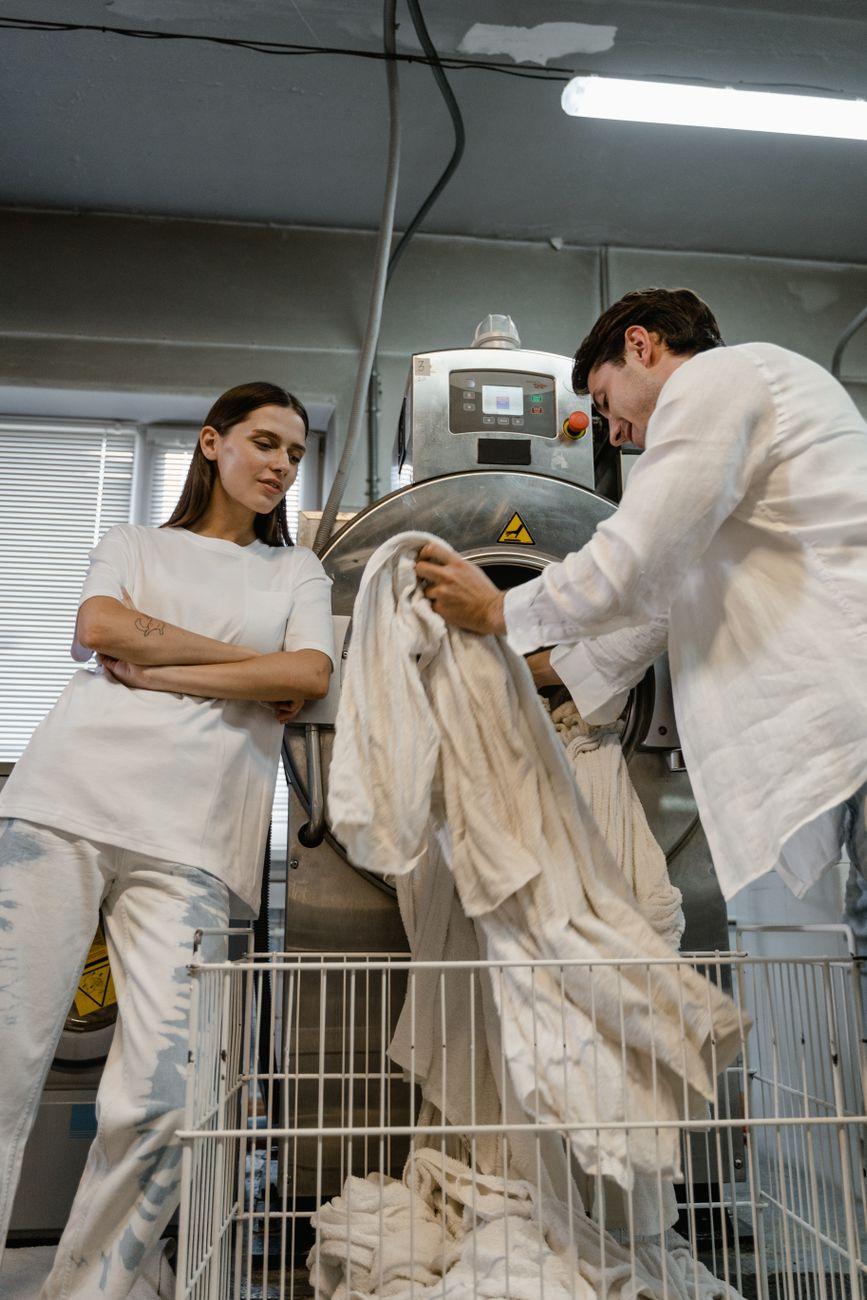
Should you dry clean clothes before storing them for the season? Yes, always. This is the single most important rule of seasonal wardrobe storage. Stains that are invisible today oxidize over time and become impossible to remove, while any trace of food, sweat, or lotion is an open invitation for moths and other pests.
Every garment should be freshly laundered or professionally dry cleaned before it goes into storage, even if it looks clean. Never store worn-once-and-hung items assuming they're fine. Clean garments stay stable in storage; soiled ones don't.
How to Prep Summer Clothes for Long-Term Storage
Wondering what is the best way to pack away summer clothes? Start with clean, completely dry garments, since any residual moisture invites mildew. Fold linen and cotton pieces rather than hanging them for extended periods, as hangers can stretch fabric or leave shoulder marks over many months.
Use breathable garment bags or acid-free tissue paper rather than sealed plastic, which traps humidity. Delicate items like swimwear and linen should be stored flat when possible. Choose a cool, dry, dark storage space, since heat and sunlight accelerate fabric breakdown and yellowing.
Getting Fall and Winter Garments Ready to Wear
While summer clothes go into storage, your fall and winter pieces need their own reawakening. Garments stored since last spring may have developed a stale odor or need pressing to shake out creases from folded storage.
Give coats, sweaters, and wool trousers a professional clean or steam before wearing, particularly if they were stored without cleaning last season. This refreshes fibers, restores shape, and ensures you're not reintroducing pests that may have taken up residence over the summer months.
Best Storage Practices to Prevent Moths, Mildew, and Yellowing
How do you store clothes for fall without getting moths? Prevention starts with cleanliness, since moth larvae feed on organic residue like skin cells and food stains, not the fabric itself. Clean garments are far less appealing to pests.
Beyond that, use cedar blocks or lavender sachets rather than harsh mothballs, and check stored items periodically throughout the season. Keep storage areas well ventilated to prevent mildew, and avoid plastic bins in humid basements. For mildew and yellowing, moisture and heat are the enemies, so a climate-stable space with good airflow is essential.
Special Care for Delicate Fabrics, Wool, and Outerwear
A proper sweater care guide starts with cleaning method: wool and cashmere should be gently laundered or dry cleaned, never stretched on hangers, and always folded for storage to preserve shape.
Silk, lace, and heavily embellished pieces benefit from professional garment storage services, where climate control and expert handling prevent the damage that home closets often cause. Outerwear like wool coats and down jackets should be cleaned before storage to remove oils and salt residue, then stored on sturdy, wide hangers with breathable covers. These fabrics are the most vulnerable and the most expensive to replace, so the extra care is always worth it.
Clean garments stay stable in storage. Soiled ones invite moths, mildew, and yellowing you can't undo.
Ready to simplify your laundry?
Schedule your free pickup today and experience the difference.