
Switching Wardrobes: The Complete Guide to Seasonal Clothing Storage
A practical guide to packing away winter or summer clothes properly — covering cleaning, containers, delicate fabrics, and how to keep moths and moisture at bay.
Why Clean Clothes Before Seasonal Storage Matters
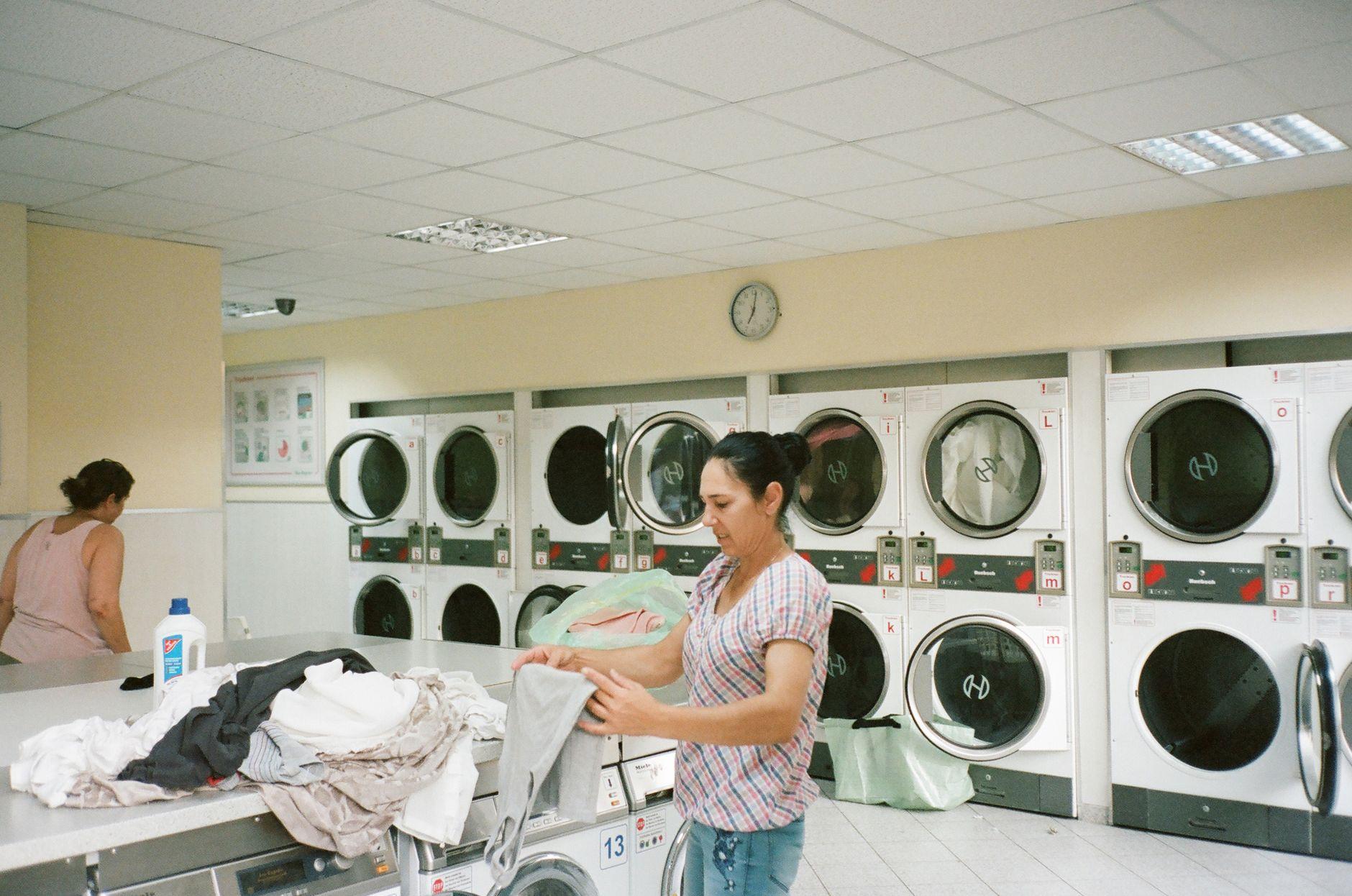
Should you wash clothes before storing them for the season? Yes, always. Even garments that look clean can hold onto body oils, sweat, and faint food or drink residue — invisible to the eye but irresistible to moths and other pests. These residues also oxidise over time, which is how perfectly clean-looking sweaters develop yellowish stains after months in a box.
Garment storage before packing away should always start with a proper clean — whether that's a home wash or a professional launder and press for structured pieces, wool, and anything with embellishment. Clean clothes store flatter, smell fresher, and come out ready to wear rather than needing an emergency trip to the dry cleaner next season.



Decluttering: What to Keep, Donate, or Toss
Switching wardrobes is the perfect checkpoint to edit what you own. Before anything goes into storage, sort each piece into keep, donate, or toss. Ask whether you wore it last season, whether it still fits your life, and whether it's in good enough condition to be worth the space.
Be honest about damage — stretched necklines, bobbling, or stains that didn't lift aren't worth storing. Donating items that are simply surplus to your needs means you're only paying to store and protect things you'll actually reach for again.
Best Containers and Materials for Storing Clothes
What is the best way to store clothes long term? Start with the right containers. Breathable fabric bins or acid-free boxes are better than ordinary plastic tubs for most garments, since trapped humidity inside sealed plastic can encourage mould, especially in less climate-controlled spaces like garages or attics.
Vacuum sealed clothing storage bags are excellent for bulky items like winter coats, duvets, and knitwear, dramatically reducing the space they take up. However, they're not ideal for natural fibres like wool or down over very long periods, as the compression can affect loft and shape — reserve vacuum sealing for shorter-term storage or less delicate pieces, and let compressed garments breathe and reshape once unpacked.
How to Store Delicate and Specialty Garments
Silk, cashmere, sequinned pieces, and tailored items need more care than a fold-and-box approach. Garment bags work well for structured pieces like coats and blazers, keeping dust off while allowing airflow. Delicate knitwear should be folded rather than hung, to avoid stretching at the shoulders.
For anything beaded, embroidered, or leather, acid-free tissue paper between layers prevents snagging and colour transfer. If in doubt, a professional clean and preservation service is worth it for special-occasion or investment pieces — it's far cheaper than replacing them.
Protecting Clothes from Moths, Mold, and Moisture
How do you keep moths out of stored clothing? Cedar blocks for moth prevention are a time-tested, low-fuss solution — their natural oils repel moths without the harsh chemical smell of mothballs. Place them throughout storage containers and refresh by lightly sanding the surface every few months to release more scent.
Moisture is just as damaging as moths. Store boxes off the floor, away from direct sunlight, and in a cool, dry spot — avoid damp basements or un-insulated attics where temperature swings invite condensation. Silica gel packets are a simple extra line of defence against humidity.
Step-by-Step Guide to Switching Your Wardrobe
1. Pull everything out of the current season's rotation and sort into keep, donate, toss.
2. Clean every item thoroughly — wash, dry clean, or launder as needed. This is the step most people skip, and it's the one that matters most.
3. Choose appropriate storage: breathable bins for most items, vacuum sealed clothing storage for bulky non-delicate pieces, garment bags for structured or formal wear.
4. Add cedar blocks or sachets throughout, and silica packets in humid climates.
5. Label boxes clearly and store in a cool, dry, dark space, off the floor.
6. When the season turns again, unpack promptly, air everything out, and check for any signs of damage before wearing.
Clean clothes aren't just fresher to store — they're the single biggest defence against moths, mould, and that musty surprise next season.
Ready to simplify your laundry?
Schedule your free pickup today and experience the difference.